
Mobility Devices for MS Fatigue: What Helps Most
MS fatigue is not the same as ordinary tiredness. It is not always caused by doing too much, and it does not always improve with rest. For many people living with multiple sclerosis, fatigue can affect walking, standing, errands, appointments, and even simple daily routines. That is why understanding mobility devices for MS fatigue can be so helpful.
The right mobility support can reduce energy drain, improve safety, and make daily life more manageable. A mobility aid is not only about whether you can walk. It is also about how much energy walking costs you, how steady you feel, and whether you can still function after the activity is over.
In this guide, we will look at how mobility devices for MS fatigue can support energy conservation, improve daily function, and help people with MS manage walking fatigue more effectively.
Why MS Fatigue Is Different From Normal Tiredness
Fatigue with multiple sclerosis can feel physical, mental, or both. It is often described as a heavy, overwhelming exhaustion that does not match the amount of activity you have done.
MS fatigue may feel like:
- Heavy legs when walking
- Slower thinking and brain fog
- Weakness that gets worse through the day
- Less stamina for standing or moving around
- A sudden energy crash after a simple outing
This is why MS fatigue and mobility are so closely connected. When every step takes more energy, even short tasks can become draining. Standing in line, walking through a store, or getting through a medical appointment can use up far more energy than expected.
How Fatigue Affects Daily Function With MS
One reason mobility devices for MS fatigue matter is that fatigue often shows up in ordinary situations, not just during major physical activity.
Walking endurance
You may be able to walk, but not for as long as you need to. Fatigue may shorten the distance you can comfortably manage.
Standing tolerance
Standing can be just as draining as walking. Cooking, waiting in line, and talking with others while standing may wear you out quickly.
Errands
A basic errand may involve parking, walking, carrying items, and standing at checkout. Fatigue can turn these small tasks into major energy drains.
Medical appointments
Appointments often involve more movement and waiting than people expect. Getting in and out of buildings, walking long hallways, and standing at reception can be exhausting.
Longer outings
Travel, shopping trips, family events, and social activities may become much harder when fatigue is part of the picture. The issue is not only getting through the event. It is also whether you have energy left afterward.
This is where mobility aids for multiple sclerosis fatigue can help. They reduce the physical cost of movement and make daily activities more sustainable.
How Mobility Devices for MS Fatigue Support Energy Conservation
When people hear the term “mobility aid,” they often think only about balance or fall prevention. But mobility devices for MS fatigue can also play an important role in energy conservation with MS.
A mobility device can help by:
- Reducing the effort needed to stay balanced
- Lowering the amount of physical energy used while walking
- Making it easier to take breaks
- Helping you avoid overexertion
- Preserving energy for the rest of your day
The goal is not simply to get from one place to another. The goal is to do so without using up all your energy.
Canes for MS Fatigue
How a cane helps
A cane offers light support and can make walking feel steadier and less demanding. For people dealing with walking fatigue in multiple sclerosis, that extra support can make a noticeable difference.
A cane may help by:
- Improving balance
- Supporting one weaker side
- Reducing the effort of staying upright
- Making walking feel more controlled
- Lowering the chance of overcorrecting when tired
When canes for MS fatigue may be useful
Canes for MS fatigue may be especially helpful if:
- One leg feels heavier later in the day
- Fatigue makes you slightly unsteady
- You lean on walls, furniture, or shopping carts
- Short errands leave you feeling worn out
Practical example
You may feel fine at the start of a grocery trip, but halfway through, your leg begins to drag and your balance feels off. A cane can provide just enough support to help you move through the store with less effort and less strain.
Rollators for MS Fatigue
How a rollator helps
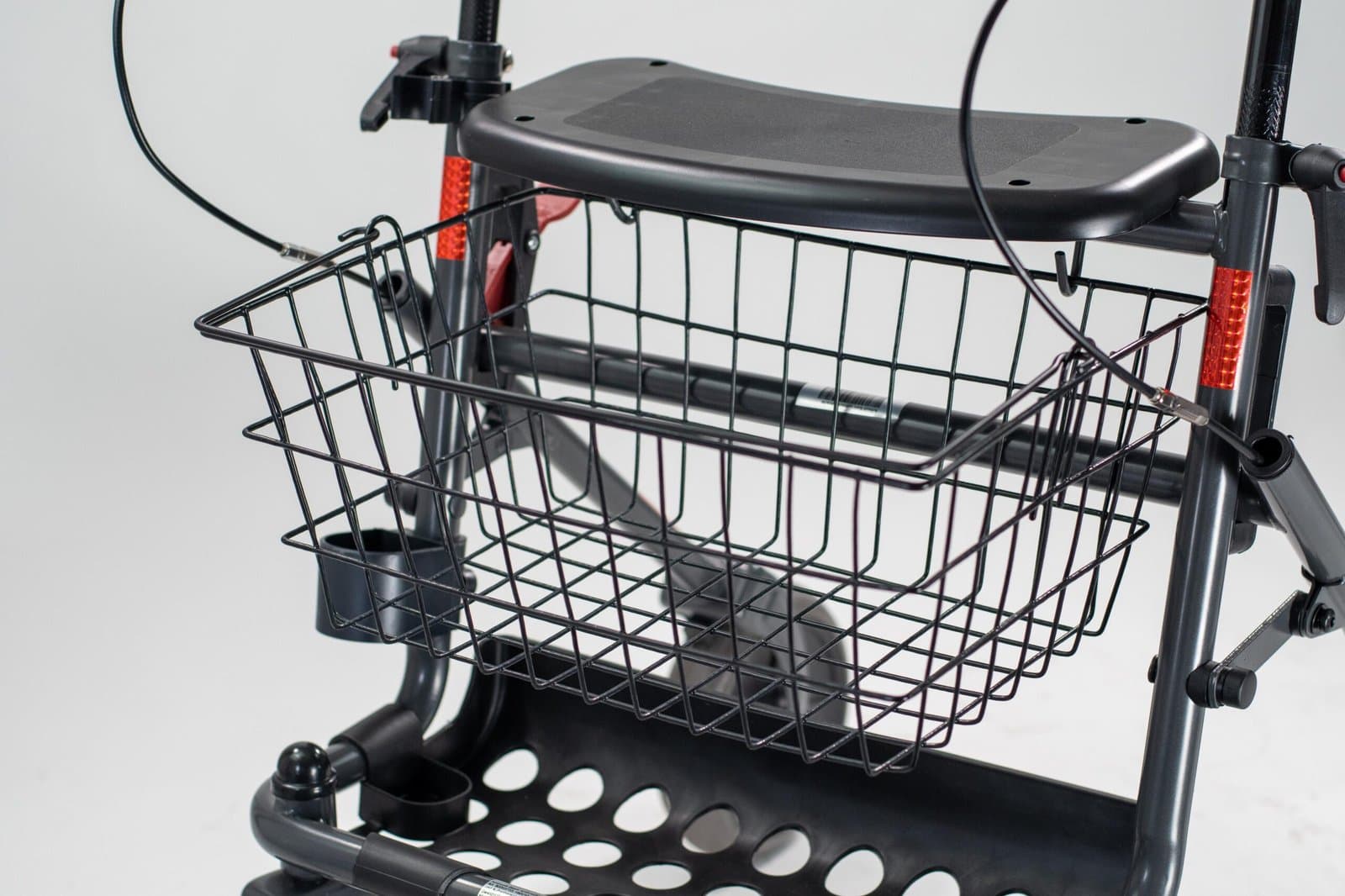
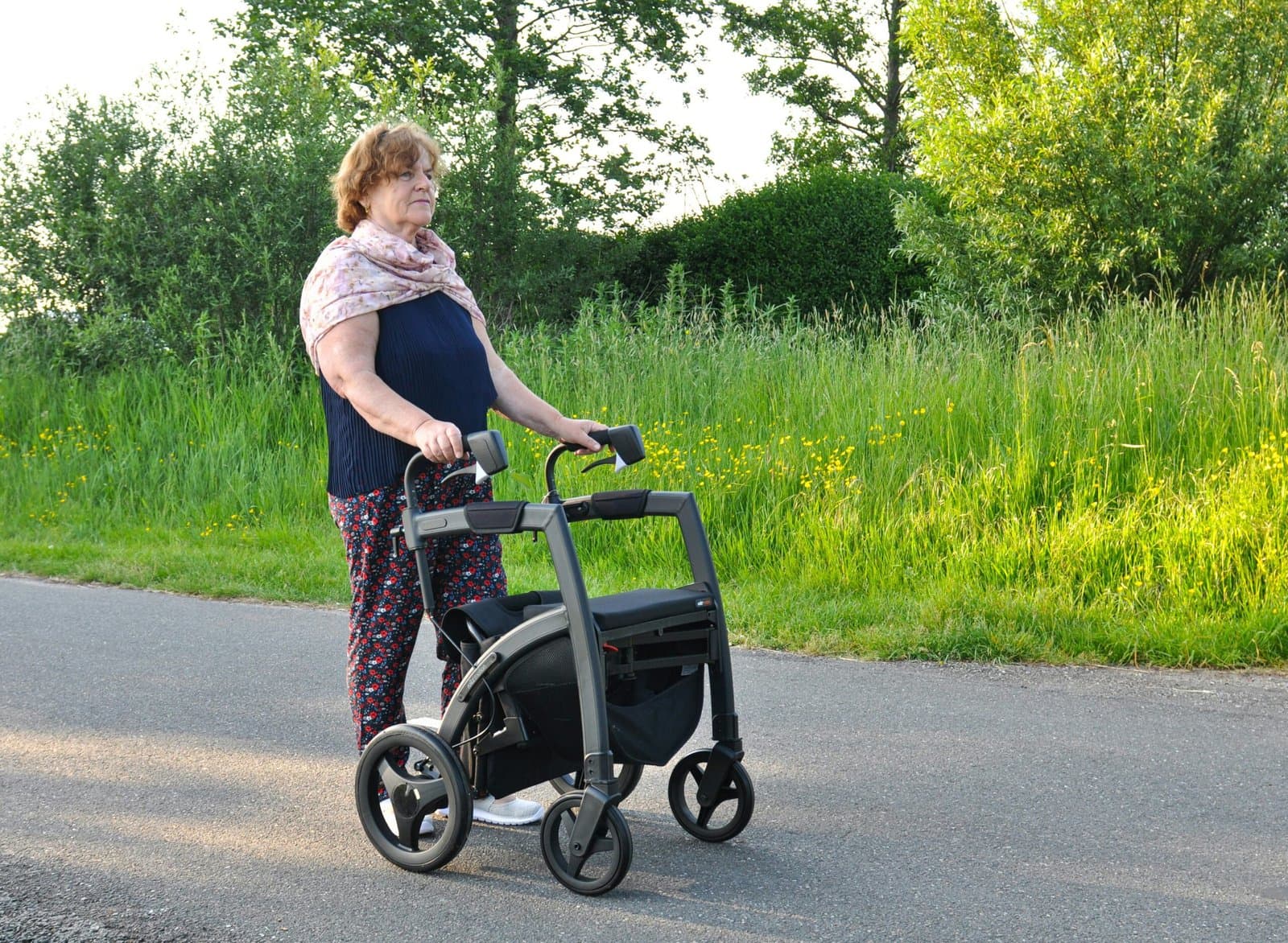
A rollator is one of the most practical mobility devices for MS fatigue because it combines walking support with a built-in seat.
A rollator can help by:
- Providing more support than a cane
- Reducing the effort of staying balanced
- Giving you a place to rest at any time
- Making longer outings more manageable
- Helping you pace activity instead of pushing too far
When rollators for MS fatigue may be useful
Rollators for MS fatigue may be helpful if:
- You can walk, but fatigue limits how far
- You need regular rest breaks
- Standing is especially draining
- You avoid outings because you are not sure where you can sit
Practical example
A medical appointment may involve parking, walking from the lot, checking in, standing at a counter, and walking down a long hallway. A rollator helps with support during the walk and gives you a seat if fatigue starts building before you even see the doctor.
Wheelchairs for MS Fatigue
How a wheelchair helps
Wheelchairs are often seen only as a last resort, but they can be one of the most effective mobility devices for MS fatigue. A wheelchair can reduce major energy loss and make longer activities much more realistic.
A wheelchair may help by:
- Saving energy for the rest of the day
- Reducing physical strain during longer outings
- Preventing fatigue-related instability
- Making travel and events more manageable
- Helping you participate without overexertion
When wheelchairs for MS fatigue may be useful
Wheelchairs for MS fatigue may be useful if:
- Long distances wipe you out
- Walking-heavy days affect the rest of your week
- Big events feel impossible because of fatigue
- You want to protect energy for more important activities
Practical example
A family outing to a museum may involve far more walking than your body can comfortably handle. Using a wheelchair can help you enjoy the day without losing all your energy to simply getting around.
Using Support Before Fatigue Gets Worse
One of the most practical lessons in fatigue management is this: use support before you hit the wall.
Many people wait until they are already exhausted, unsteady, or overwhelmed before using a mobility aid. But mobility devices for MS fatigue often work best when they prevent the crash instead of responding to it after the fact.
Using support earlier can help you:
- Preserve more energy
- Reduce symptom flare-up during activity
- Avoid recovery time after simple tasks
- Stay more consistent in daily life
This is especially important with walking fatigue in multiple sclerosis. Once fatigue builds, walking often becomes less efficient, less steady, and more draining. Early support can interrupt that pattern.
How to Choose the Right Mobility Aid for Multiple Sclerosis Fatigue
The best mobility aids for multiple sclerosis fatigue depend on your walking endurance, standing tolerance, and daily routine.
A cane may be the best fit if:
- You need light support
- Fatigue causes mild walking changes
- One side feels weaker or less steady
A rollator may be the best fit if:
- You need support and regular rest breaks
- Standing wears you out quickly
- You want to walk longer with less strain
A wheelchair may be the best fit if:
- Long distances are too draining
- You want to save energy for the rest of the day
- You need support for bigger outings or travel
Some people use more than one tool depending on the situation. That can be a smart, practical form of energy conservation with MS.
Real-Life Examples of Mobility Devices for MS Fatigue
Grocery shopping
A cane may help with light support, while a rollator may be better if the store is large and standing in line is difficult.
Medical appointments
A rollator can be useful for long hallways and waiting areas. A wheelchair may be helpful at large hospitals or during symptom-heavy days.
Travel
A wheelchair may make airports and long terminals much more manageable. It can save energy for the actual trip instead of spending it all getting there.
Bad fatigue days
On days when fatigue is already high, using the right support early can help you get through necessary tasks with less strain.
Energy-Saving Checklist
Use this checklist to think through whether mobility devices for MS fatigue could help you manage daily life better.
- I feel more tired from walking than I think I should
- Standing in line drains my energy quickly
- I avoid outings because they leave me wiped out
- My walking gets less steady when I am fatigued
- I need a long recovery after errands or appointments
- I look for places to sit whenever I go out
- I use shopping carts or walls for support
- I would do more if movement took less energy
If several of these sound familiar, it may be worth discussing mobility support with your doctor, physical therapist, or occupational therapist.
FAQs About Mobility Devices for MS Fatigue
1. What are the best mobility devices for MS fatigue?
The best option depends on your needs. Canes provide light support, rollators offer support plus a seat, and wheelchairs save the most energy for longer distances.
2. How do mobility devices for MS fatigue help?
They reduce energy drain, improve stability, and make walking, standing, and outings more manageable.
3. Can a cane help with MS fatigue?
Yes. A cane can reduce the effort of staying balanced and support one weaker side, which can make walking less tiring.
4. Why is a rollator useful for MS fatigue?
A rollator offers walking support and a built-in place to rest, which helps with pacing and energy conservation.
5. Can a wheelchair be used part-time for MS fatigue?
Yes. Many people use wheelchairs only for longer outings, travel, or days when fatigue is worse.
6. Are mobility aids only for people who cannot walk?
No. Many people who can still walk use mobility aids to reduce fatigue and improve daily function.
7. When should I consider mobility devices for MS fatigue?
You may want to consider them if walking or standing uses too much energy, limits activities, or leads to long recovery time.
8. Who can help me choose the right mobility aid?
A doctor, physical therapist, or occupational therapist can help assess your needs and recommend the right support.
Mobility Devices for MS Fatigue Can Make Life More Sustainable
The best mobility devices for MS fatigue are not about doing less. They are about making daily life more manageable, more efficient, and more sustainable.
A cane can reduce walking effort.
A rollator can support movement and rest.
A wheelchair can save energy for the parts of life that matter most.
When fatigue affects walking endurance, standing tolerance, and daily function, the right support can make a real difference. Mobility devices for MS fatigue can help you use your energy more wisely and make more of your day possible.
Recent Posts

MS Mobility Devices: A Beginner’s Guide to Mobility and Home Supports
MARCH 25, 2026

Confidence With Multiple Sclerosis: Rebuilding Self-Trust
JANUARY 25, 2026

Multiple Sclerosis Symptoms: Early Signs, Invisible Challenges & Daily Changes
JANUARY 16, 2026

Walking With MS: How to Stay Safe, Steady, and Confident
DECEMBER 16, 2025
Living with Multiple Sclerosis: What Daily Life Can Look Like
DECEMBER 15, 2025