
Living with Multiple Sclerosis: What Daily Life Can Look Like
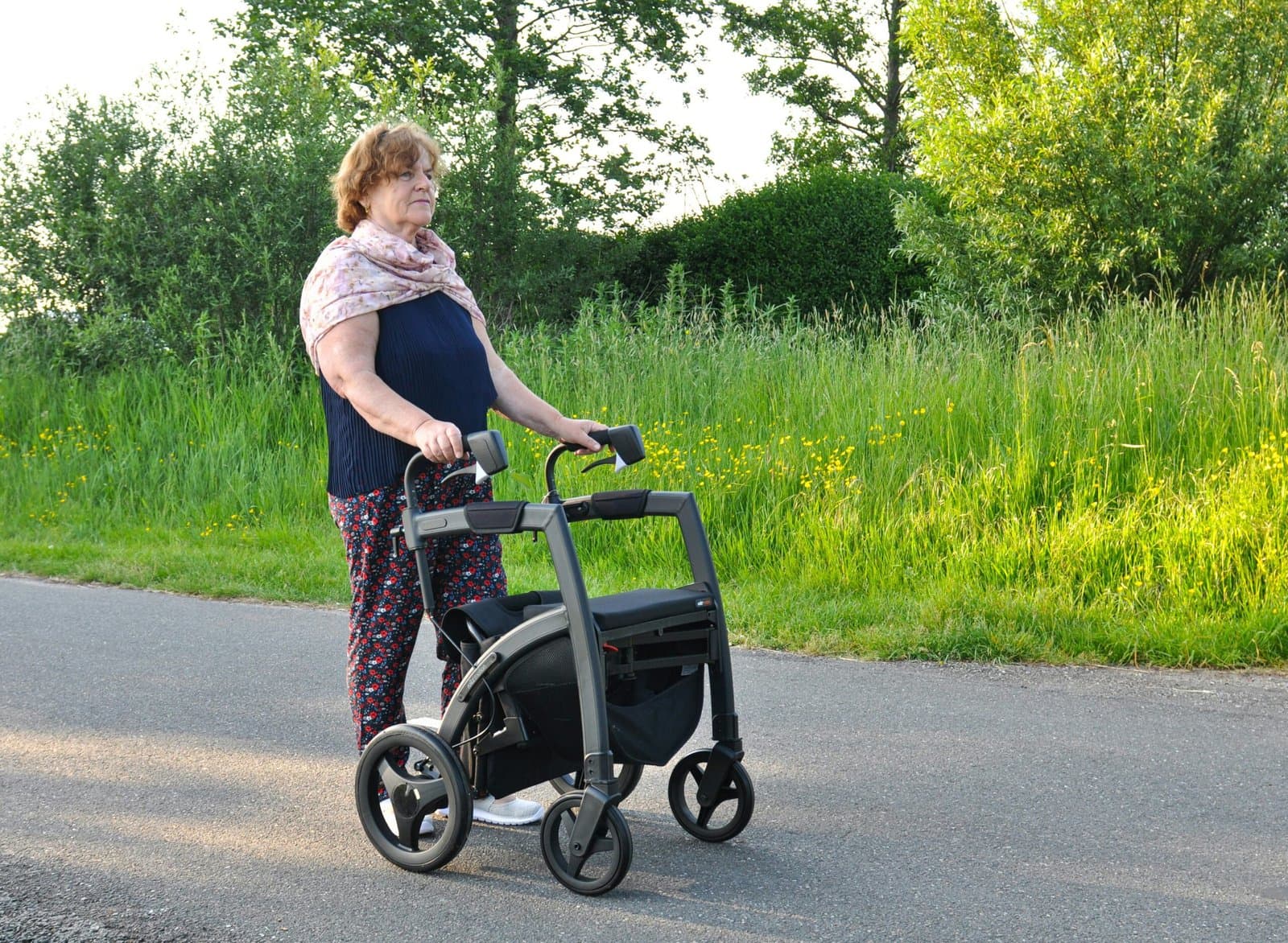
Living with Multiple Sclerosis isn’t one single experience. It’s not the same story for everyone. And even for the same person, it can change day to day.
Some mornings you wake up feeling almost normal, like your body remembered how to cooperate. You make your coffee, answer a text, maybe even think, Okay… today might be a good day.
Then there are the other mornings. The ones where your legs feel like they’re moving through wet sand. Where fatigue shows up before you even sit up. Where your brain feels foggy and you can’t tell if you’re tired, stressed, overheated… or just having an MS day.
That’s the thing about MS: it’s unpredictable. The symptoms can shift depending on stress, sleep, temperature, hormones, illness, or a dozen other factors. And that uncertainty can make daily life feel like you’re always trying to plan around a moving target.
But here’s what I want you to know right away:
You can still create a life that feels stable, meaningful, and confident, even when your symptoms aren’t.
You don’t need a perfect routine. You need a flexible one. One that supports your energy, your mobility, and your sense of you.
This post is here to show you what living with multiple sclerosis can look like in the real world, and how to build routines that don’t ignore your body… but don’t shrink your life either.
Living with Multiple Sclerosis Means Learning Your “Daily Baseline”
One of the first things many people learn about MS is that it has a habit of surprising you.
Symptoms can include fatigue, numbness, pain, dizziness, spasticity, balance issues, cognitive changes, and mood changes, sometimes all at once, sometimes rotating like a playlist you didn’t ask for.
Because MS impacts your nervous system, it can affect how your body communicates internally. Things like walking, coordination, memory, vision, and even temperature regulation can feel different from one day to the next.
So instead of expecting every day to feel the same, many people living with multiple sclerosis start noticing patterns:
-
What time of day your energy is best
-
Which activities drain you fastest
-
How heat affects your symptoms
-
What stress does to your body
-
How much rest helps vs. hurts
This is what I call your daily baseline, the realistic version of what your body can handle today, not what it could do three years ago, or what you wish it could do tomorrow.
What Day-to-Day MS Life Can Look Like (Real Talk)
There are “visible symptom” days and “invisible symptom” days and both can be exhausting.
Some days feel like:
-
Fighting fatigue that doesn’t match your effort
-
Moving slower than your brain wants to
-
Having to think about every step you take
-
Feeling clumsy or off-balance
-
Forgetting words mid-sentence
-
Needing help with things you used to do automatically
Other days look normal from the outside, but inside you’re managing:
-
Brain fog
-
Anxiety
-
Sensory overload
-
Pain
-
Weakness
-
The emotional weight of adapting again and again
This is why routines can matter so much. They don’t “fix” MS. But they can make your life feel less chaotic, because when your body is unpredictable, your habits become your anchor.
How Symptoms Vary (and Why That’s Not Your Fault)
Multiple sclerosis symptoms vary because the disease affects the nervous system differently for each person, different areas, different levels, different timing.
But symptoms also vary because of daily life triggers.
Even small changes can influence your symptoms, like:
-
Poor sleep
-
Dehydration
-
Overheating
-
Doing too much in one stretch
-
Stress and emotional strain
-
Getting sick (even a cold)
Fatigue, for example, is one of the most common MS symptoms and can be physical, mental, or both. It’s not always connected to how much you did. It can show up randomly, and it can be made worse by heat, stress, pain, poor sleep, and other factors.
So if you’ve ever thought:
“Why is my body doing this when I didn’t even do anything?”
You’re not imagining it. That’s MS.
Building Routines Around Energy, Mobility, and Confidence
Living with multiple sclerosis doesn’t mean giving up structure. It means building structure that bends with you.
Let’s talk about the three biggest pillars of daily life with MS: energy, mobility, and confidence.
Energy Routines: Treat Your Energy Like a Battery (Not a Bank Account)
When you live with MS, energy isn’t something you can always “push through.”
A lot of people describe MS fatigue as a battery that drains fast and recharges slowly. The trick is learning how to spend it in ways that still let you live.
According to the National MS Society, MS fatigue can affect quality of life and daily functioning, and management often includes addressing contributing factors plus strategies like energy conservation and rehab supports.
Small routines that protect energy:
-
Do the hardest thing first, if mornings are your best time
-
Batch tasks (laundry + cleaning = not on the same day)
-
Sit whenever you can (yes, even when cooking)
-
Plan a “recovery window” after outings
-
Build rest breaks into the schedule before you crash
The most helpful mindset shift:
Rest isn’t quitting.
Rest is part of your treatment plan for living well.
Mobility Routines: Stay Moving Without “Overdoing It”
Mobility looks different for everyone living with multiple sclerosis.
Some people walk independently. Some use a cane sometimes. Others use walkers, wheelchairs, scooters, or support from a partner.
But here’s the truth: mobility isn’t a moral scorecard. It’s a toolset.
The National MS Society notes that MS symptoms affecting mobility may include fatigue, dizziness/vertigo, spasticity, pain, numbness, and walking/coordination difficulties, and recommends working with healthcare teams to manage symptoms and maintain goals.
Mobility routines that make daily life easier:
-
A 2-minute stretch before standing up
-
A short walk after meals (even inside your home)
-
Using mobility aids before you “need” them
-
Keeping frequently used items at waist height
-
Creating a “low fall-risk” home layout (clear pathways, good lighting)
A reminder worth repeating:
Using a cane doesn’t mean you failed.
It means you chose stability, safety, and freedom.
Confidence Routines: The Emotional Routine Matters Too
People don’t talk enough about what MS does to confidence.
Not just physical confidence, emotional confidence.
The kind that gets shaken when:
-
Your plans change last-minute
-
Your body feels unfamiliar
-
You cancel again
-
You worry people won’t understand
-
You don’t recognize your old “productive” self
Cleveland Clinic highlights that self-care and stress management can help with living day-to-day with MS, and stress can worsen symptoms or contribute to “pseudo-relapses.”
Confidence routines that help you feel like you again:
-
Get ready even if you’re staying home
-
Keep one small “identity habit” daily (music, skincare, journaling, reading)
-
Move your body gently (stretching counts)
-
Talk to someone who gets it
-
Celebrate the version of you who adapts
Confidence isn’t pretending you’re fine.
It’s trusting yourself to handle whatever kind of day you get.
A Routine That Actually Works: The “Flexible Framework”
The best routine for living with multiple sclerosis is one that isn’t rigid.
Here’s a framework you can build on:
Morning: “Set the tone”
-
Water + meds
-
Gentle movement (stretching, light walk, chair mobility)
-
One priority task
Midday: “Protect the battery”
-
Food + hydration
-
Cooling break (especially if heat affects symptoms)
-
Sit-down tasks (calls, emails, planning, bills)
Afternoon: “Choose wisely”
-
Do one physical task OR one mental task (not both)
-
Rest before you need it
Evening: “Recover + reset”
-
Prep for tomorrow (clothes, meds, easy breakfast)
-
Low stimulation wind-down
-
Sleep routine
This isn’t about controlling MS.
It’s about creating rhythm inside the uncertainty.
What I Wish I Knew Early On
If I could go back to the beginning, when I didn’t know what my body was doing, and I was trying to act like everything was normal, I would tell myself this:
-
You don’t have to earn rest.
-
Mobility aids give you freedom, not failure.
-
Your symptoms are real, even when people can’t see them.
-
Consistency beats intensity.
-
Overdoing it “just this once” usually costs you later.
-
A small routine is still a routine.
-
Your life is not over. It’s just different.
-
You can grieve and still grow.
-
You’re allowed to change your mind, your plans, and your pace.
-
You are still you, MS just makes you creative.
FAQs About Living with Multiple Sclerosis (10 Common Questions)
1) What is daily life like living with multiple sclerosis?
Daily life can vary widely. Some days feel manageable; others bring fatigue, pain, or mobility changes that require extra rest and adjustments.
2) Why do MS symptoms change day to day?
MS symptoms can fluctuate based on stress, sleep, temperature, illness, and nervous system changes. Fatigue, for example, can increase even without extra activity.
3) What’s the most common symptom of MS?
Fatigue is one of the most common and most disabling symptoms reported by people living with MS.
4) How do I manage fatigue when living with multiple sclerosis?
Energy conservation strategies, pacing, rest breaks, rehab support, and addressing contributing factors (sleep, pain, stress) are often recommended.
5) Can people with MS stay mobile?
Yes, many people can maintain mobility with symptom management, rehab strategies, and mobility aids when needed.
6) Should I use a cane or mobility aid if I’m “not that bad” yet?
Many people find it helpful to use mobility support before falls or severe exhaustion happen. It can improve safety and confidence.
7) Does stress make MS worse?
Stress may worsen symptoms and can contribute to symptom flare-ups that feel like relapses (sometimes called pseudo-relapses).
8) What kind of routine works best for MS?
Flexible routines tend to work best, ones built around energy patterns, rest breaks, and realistic goals rather than strict schedules.
9) How do I explain MS to friends and family?
Simple language helps: “My energy and symptoms fluctuate. I may cancel plans or need breaks, but I still want connection.” You’re allowed to set boundaries.
10) What helps confidence when living with multiple sclerosis?
Small daily wins, supportive community, self-care, and adaptive tools can help rebuild confidence, especially when symptoms feel unpredictable.
You’re Not Behind, You’re Adjusting
Living with Multiple Sclerosis is not a straight road. It’s learning how to live well in a body that changes.
And the fact that you’re reading this means you’re already doing something powerful:
You’re learning.
You’re adapting.
You’re building a routine that works for your life, not someone else’s expectations.
You don’t have to do everything.
You just have to do what supports you.
One day at a time. One routine at a time. One win at a time.
Recent Posts

Mobility Devices for MS Fatigue: What Helps Most
MARCH 26, 2026

MS Mobility Devices: A Beginner’s Guide to Mobility and Home Supports
MARCH 25, 2026

Confidence With Multiple Sclerosis: Rebuilding Self-Trust
JANUARY 25, 2026

Multiple Sclerosis Symptoms: Early Signs, Invisible Challenges & Daily Changes
JANUARY 16, 2026
Walking With MS: How to Stay Safe, Steady, and Confident
DECEMBER 16, 2025